In the high-stakes field of organ transplantation, time remains the primary limiting factor. For decades, the industry standard has been Static Cold Storage (SCS) — a methodology inherently defined by a race against cellular degradation. While the correlation between decreased temperature and metabolic suppression is well-established, conventional cryopreservation when temperature drops below 0 C is unacceptable because it leads to formation of both inner and outer destructive ice.
Engineering Evolution: Overcoming the Square-Cube Law
Transitioning from small-scale rodent models to human-sized organs required addressing significant thermodynamic and diffusion-related hurdles.
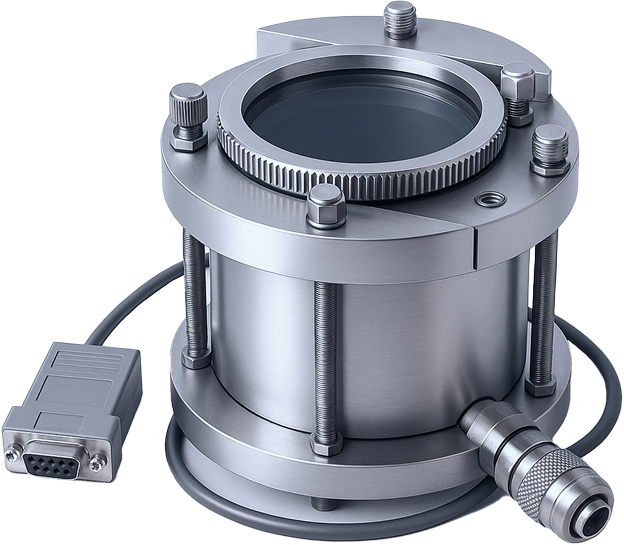
The initial Gen 1 prototype—a 30 ml aluminum barochamber—proved that 4–5 atmospheres of pressure could be maintained for extended periods. However, scaling to a 250g human heart is complicated by the Square-Cube Law challenge: as mass increases, the surface-area-to-volume ratio decreases significantly. Passive diffusion, sufficient for a 1g rat heart, is inadequate for large-scale organ preservation where the same surface must support 7 times more mass.
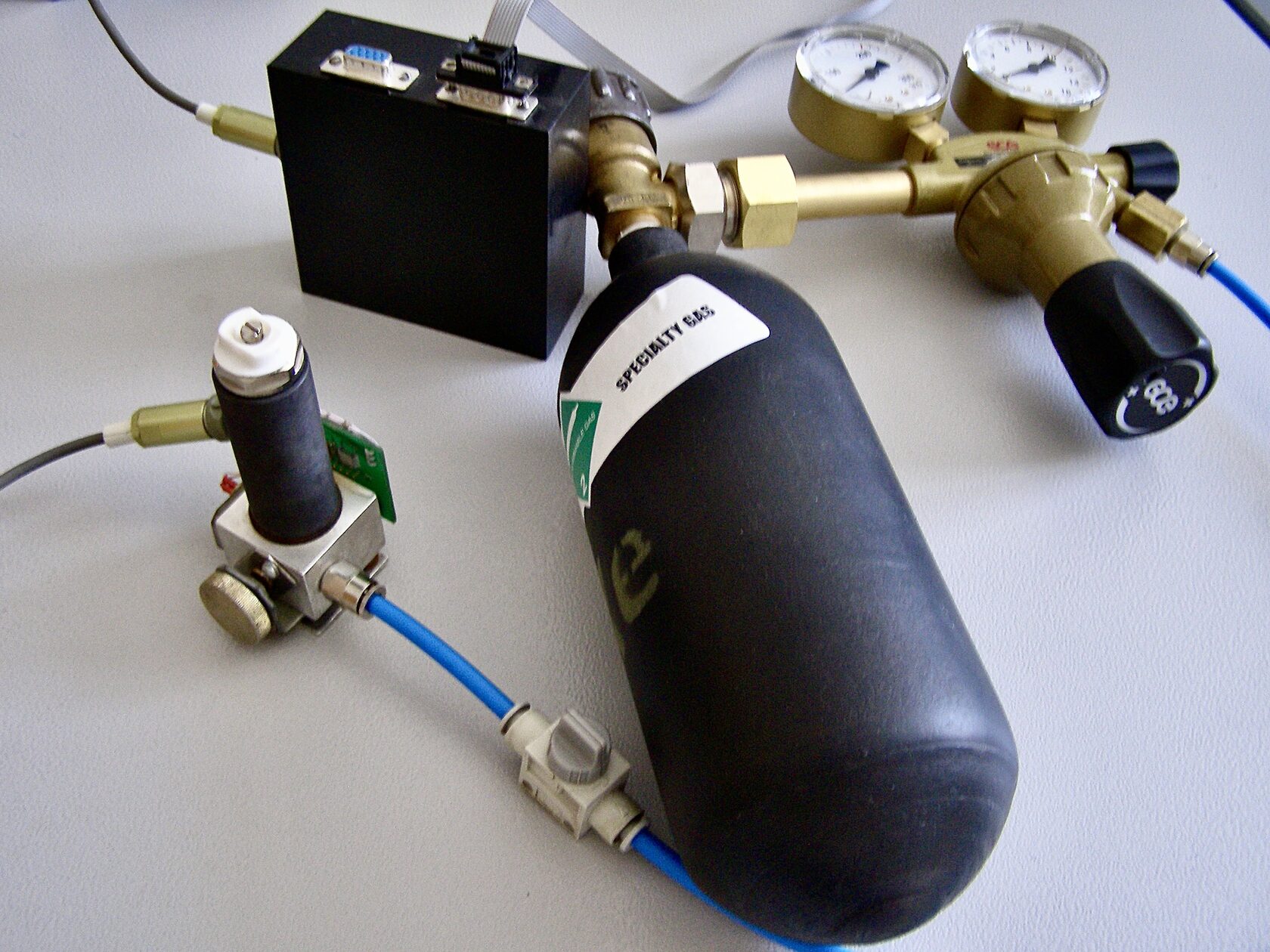
Photo: оne of the first gas cylinder models for our patented gas mixture
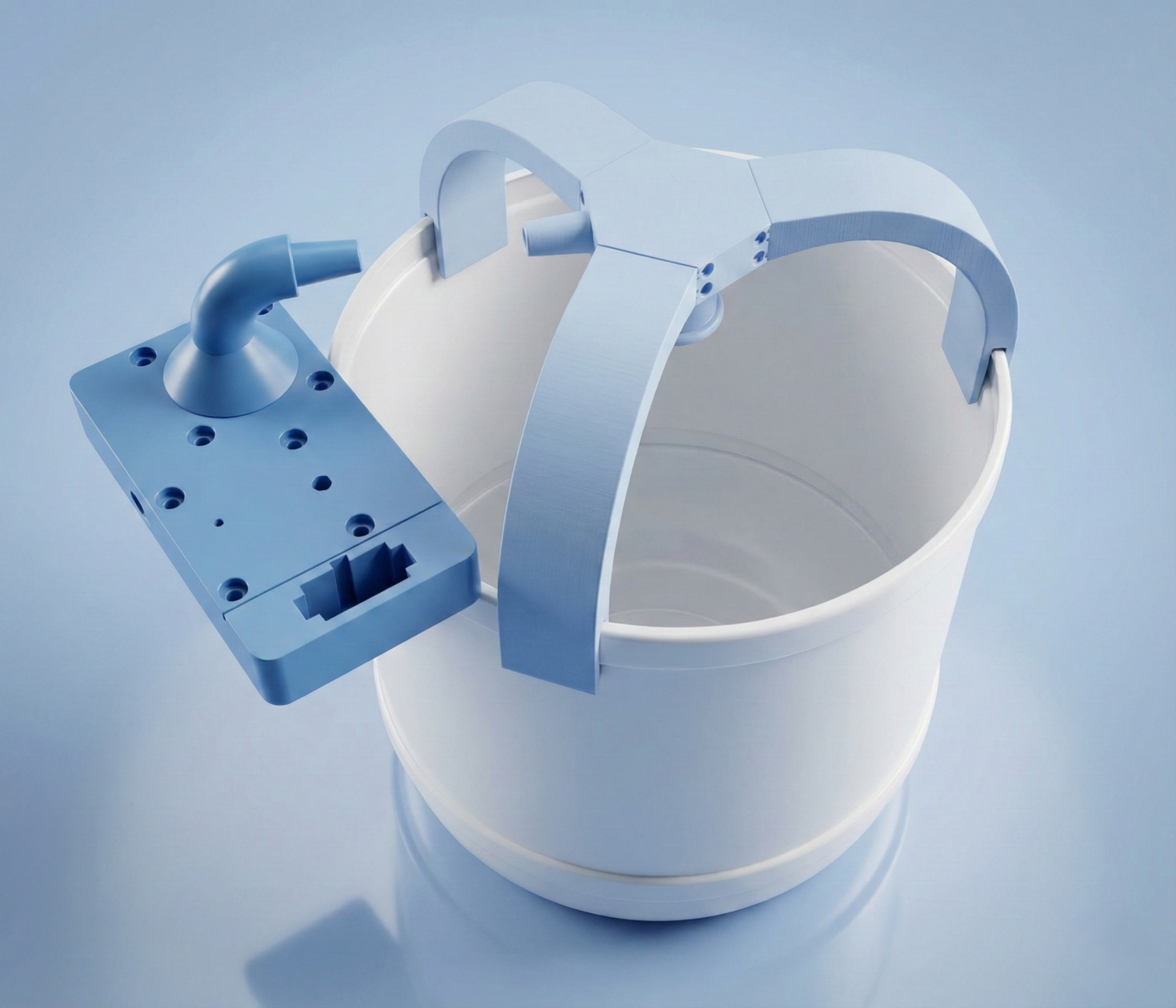
To overcome this, Limenbio evolved the HIPPER system from a passive storage unit into an active gaseous perfusion device. The integration of an internal, hermetically sealed peristaltic pump ensures the oxygen-xenon mixture is circulated directly through the vascular tree. This ensures deep-tissue saturation that static exposure cannot achieve. Additionally, the system utilizes proprietary 3D-printed suspension frameworks to prevent mechanical pressure sores during transit.
The HIPPER Platform: Robustness and Verifiable Custody
The current iteration of the HIPPER system is constructed from high-grade stainless steel, emphasizing industrial-grade durability and clinical reliability.
- Closed-Loop Architecture: Unlike complex normothermic perfusion systems that require large volumes of exogenous fluids and continuous filtration, HIPPER operates on a pre-compressed, autonomous gas circuit.
- Integrated Telemetry: The device functions as a "Black Box" for organ logistics, continuously monitoring and logging internal barometric and thermal data to ensure a verifiable chain of custody.
- Adaptive Perfusion Algorithms: The system utilizes pressure-sensing logic to manage intermittent perfusion. This targeted approach meets the organ’s minimal metabolic demands during stasis without the shear stress associated with continuous fluid flow.
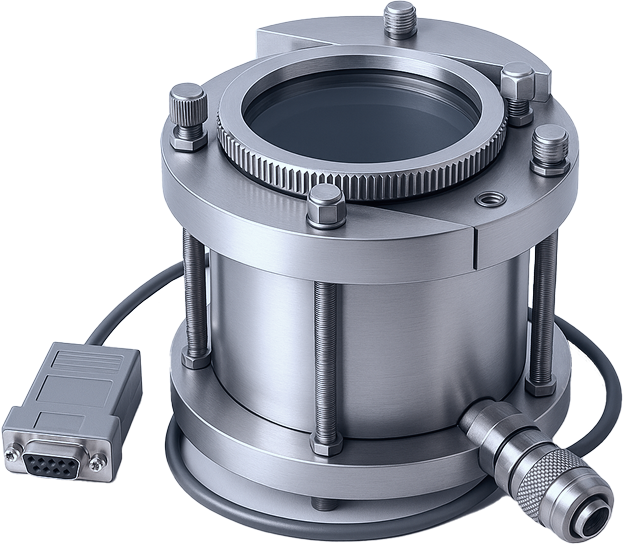
Photo: HIPPER system model for cryopreservation of small hearts
Economic Viability and Clinical Impact
Current mechanical perfusion technologies, while effective for high-risk organs, are hampered by extreme costs, mechanical complexity, and the requirement for specialized on-site technicians. Limenbio’s HIPPER technology offers a significant strategic advantage:
- Cost Efficiency: By eliminating the need for expensive perfusion media and disposable fluidic cassettes, the system targets a 10-fold reduction in operational overhead.
- Operational Simplicity: The reduction in moving parts and the absence of complex fluid dynamics significantly mitigate the risk of mechanical failure during intercontinental transport.
- Logistical Transformation: By extending the viability window beyond the 12-hour mark, transplant procedures can transition from emergent, high-stress surgeries to scheduled, elective clinical workflows.
Future Objectives
Having successfully scaled the technology from 1g rodent models to large-animal porcine models, Limenbio is now aimed at full scale pre-clinical study to tailor ideal algorithm which will be further harnessed in clinical trial. The objective is to provide a fully autonomous "Organ in a Box"—a self-contained life-support pod that redefines the standards of transplant logistics.
Limenbio is not merely building a container; we are engineering the future of organ preservation—making it safer, more scalable, and economically sustainable.